.png)
The Only Guide You'll Ever Need to Start Freelancing
Updated: Jun 16
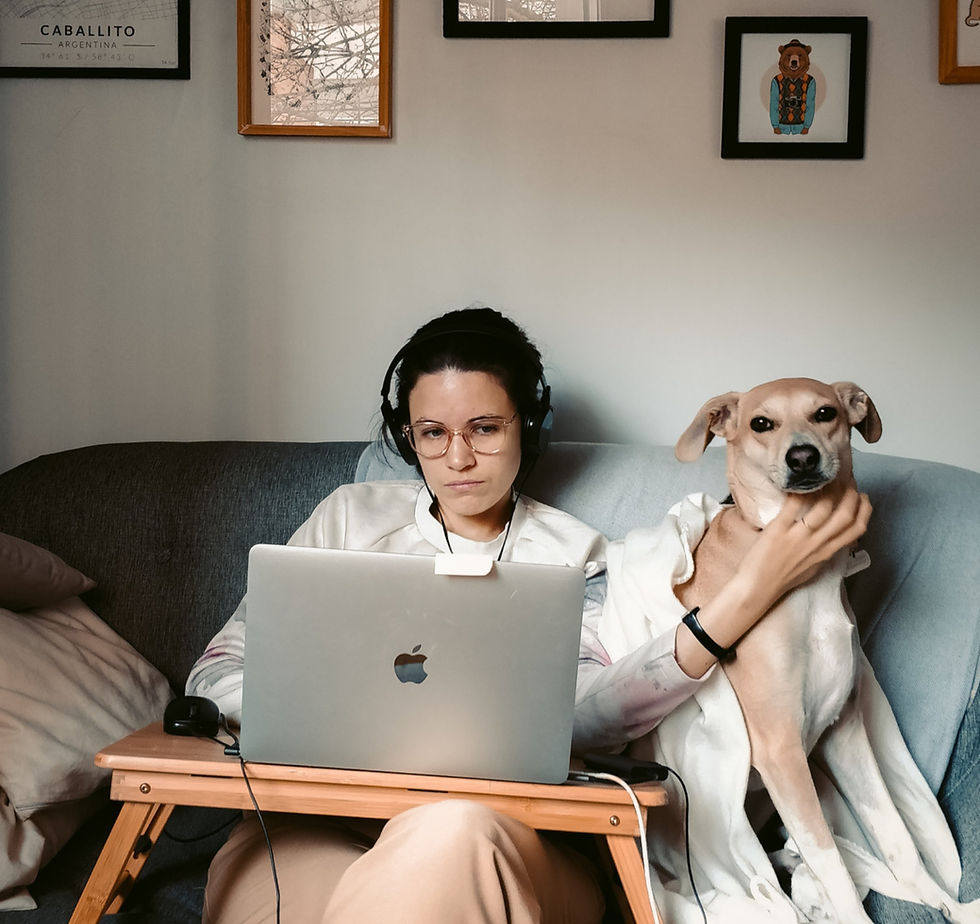
There's never been a better time to go freelance. Over 500,000 experienced professionals entered the independent workforce in the last three years alone — not because they had to, but because the market finally caught up to what skilled people have always known: your expertise is worth more than a single employer's salary band.
But getting started is where most people stall. Not because they lack the skills, but because nobody tells them what the first ninety days actually look like.
I’m Gaby, CEO and Founder of Counsely, a freelance marketplace and forum. I’ve worked with countless freelancers (and I was at some point a freelancer myself). Let me guide you on how to get started as a freelancer the right way.
Know What You're Selling Before You Sell It
The biggest mistake new freelancers make is leading with what they can do rather than what problem they solve. "I'm a graphic designer" is a job title. "I help early-stage startups build a visual identity that looks funded before they are" is a value proposition.
Before you write a single profile or send a single pitch, answer these three questions:
Who specifically needs what you do?
What does the problem look like before you solve it?
What does it look like after?
The more specific your answers, the easier everything that follows becomes. Specificity isn't limiting; it's the thing that makes you findable, memorable, and worth paying a premium for.

Price Yourself Like You Mean It
Underpricing is the most common and most damaging mistake a new freelancer makes. It signals inexperience, attracts the wrong clients, and creates a floor that's almost impossible to raise later. Research what experienced professionals in your category actually charge.
"Price yourself at the level your work can currently defend, not the level you aspire to."
A few principles worth keeping:
Charge for outcomes, not hours. A client doesn't want to buy your time — they want to buy the result. Hourly pricing turns you into a commodity. Project pricing positions you as someone who delivers something specific and valuable.
Be honest about where you actually are. A $50 logo and a $500 logo say different things about who you are before a client reads a single word of your profile. That gap isn't just about quality. It's about expectation. Price yourself at the level your work can currently defend, not the level you aspire to. Overcharging early might win you a few projects, but it will cost you the reviews, referrals, and reputation that make a freelance career sustainable. Earn your rate before you charge it — then raise it.
Build in a revision policy from day one. Scope creep is how freelancers lose money without realising it. Two rounds of revisions is standard. Anything beyond that is a new conversation — and a new invoice.

Build a Profile That Works Without You in the Room
Most freelance profiles are written for the person filling them out, not the client reading them. They list skills, tools, years of experience — all the things a freelancer thinks matter.
What clients actually want to know is whether you've done something like this before, whether you delivered, and whether they can trust you with something that matters to their business.
Your profile should answer those three questions before a client has to ask. That means:
Lead with results, not responsibilities. "Redesigned the onboarding flow for a SaaS product, reducing drop-off by 34%" is more compelling than "experienced UX designer with 5 years in SaaS."
Show your thinking, not just your output. A portfolio piece that explains the problem, your approach, and the outcome tells a client how you work — which is what they're actually evaluating.
Get verified where you can. Platforms that verify your skills, confirm your work history, and surface client ratings are increasingly how serious clients vet candidates. A verified profile carries weight that a self-reported one doesn't.
Find Your First Clients Without Feeling Like You're Begging
The first three clients are the hardest. After that, referrals and reputation do most of the work. For the first three, you don't need a platform; you need conversations. Tell everyone in your professional network that you've gone independent. Be specific about what you're offering and who it's for. Most first freelance engagements come from someone who already knows you, or someone one degree removed.
Once you have one or two completed projects, move to platforms. At that point you have something to show, which changes the dynamic entirely. You're not hoping someone takes a chance on you. You're showing evidence that you deliver.
A few things that accelerate platform success:
Complete your profile fully before your first bid. An incomplete profile is an immediate disqualification.
Write proposals to the specific brief, not a template. Clients can tell the difference in the first sentence.
Start with projects slightly below your target rate to build verified reviews quickly, then raise your rate once you have three to five completed engagements on the platform.

Treat It Like a Business From Day One
The freelancers who struggle aren't usually the ones who lack skill. They're the ones who treat freelancing like a side hustle even when it's their main income.
A few habits that separate sustainable freelancers from ones who burn out in year one:
Separate your business finances immediately. A separate bank account for freelance income is non-negotiable. It makes tax time manageable and gives you a clear picture of what the business is actually generating.
Invoice promptly and follow up without apology. Getting paid on time is not rude — it's professional. Set payment terms upfront (net 14 or net 30 is standard), send invoices the day work is delivered, and follow up at 7 days if payment hasn't arrived.
Keep a pipeline, not just a project. The most common freelance trap is being so focused on the current project that you neglect finding the next one. Always have something in the pipeline, even when you're fully booked.
Protect your time with boundaries. Clients who message at 11pm will keep doing it unless you tell them otherwise. Set working hours, communicate them once, and hold them. The clients worth keeping will respect it.
Be mindful of your promised milestones. Try your best to complete tasks and milestones on time (if not early). If you have to be late in submitting the deliverables, try to keep it only a day or two off than the original timeline.
Try your best to maintain consistent effort and accuracy. Working in an online landscape is different than you would in a physical setting. There needs to be a lot of trust and you shouldn’t say one thing and change your mind the next second.
The Long Freelancing Game
The freelancers who build genuinely sustainable careers aren't the ones who chased the most projects in year one. They're the ones who got good at a specific thing, built a reputation for delivering it reliably, and let that reputation compound over time.
Your first year is data collection. You're learning what kinds of work you do best, which clients you work best with, what you should charge, and what you should stop doing. Pay attention to all of it.
"By the end, the deliverables were being held hostage for more money. The client (me) had invested too much to walk away cleanly, and the freelancer knew it."
One thing that doesn't show up in any freelance guide but should: the relationship is a two-way contract, and the freelancer carries as much responsibility for it as the client does. I've seen it go wrong firsthand — a clear brief, an agreed budget, a fixed delivery date, and a freelancer who kept moving the goalposts. Two months became three. Three became four. By the end, the deliverables were being held hostage for more money. The client (me) had invested too much to walk away cleanly, and the freelancer knew it.
That's not a cautionary tale about bad clients. It's a cautionary tale about what happens when a freelancer stops treating accountability as a professional standard and starts treating it as optional. The short-term leverage wasn't worth it. It never is. Reputations in freelancing travel faster than most people expect, and the market for trust is smaller than it looks.
"If you're building a freelance career worth having, treat every engagement like the client will talk about it. Because they will."
The career you're building isn't defined by your first client, your first platform, or your first rate. It's defined by the pattern of decisions you make over the next three years
and whether you treat the whole thing like something worth building carefully.
Go carefully. It's worth it.
Counsely is a freelance marketplace built for the AI era — where expertise is verified, not assumed, and every match is grounded in real professional intelligence. Whether you're looking for your next client or your next specialist, Counsely helps you find the right fit with confidence. Sign up today >


Comments